Learn21 at the A4L Symposium: Advancing Student Data Privacy with SDPC Registry 2.0
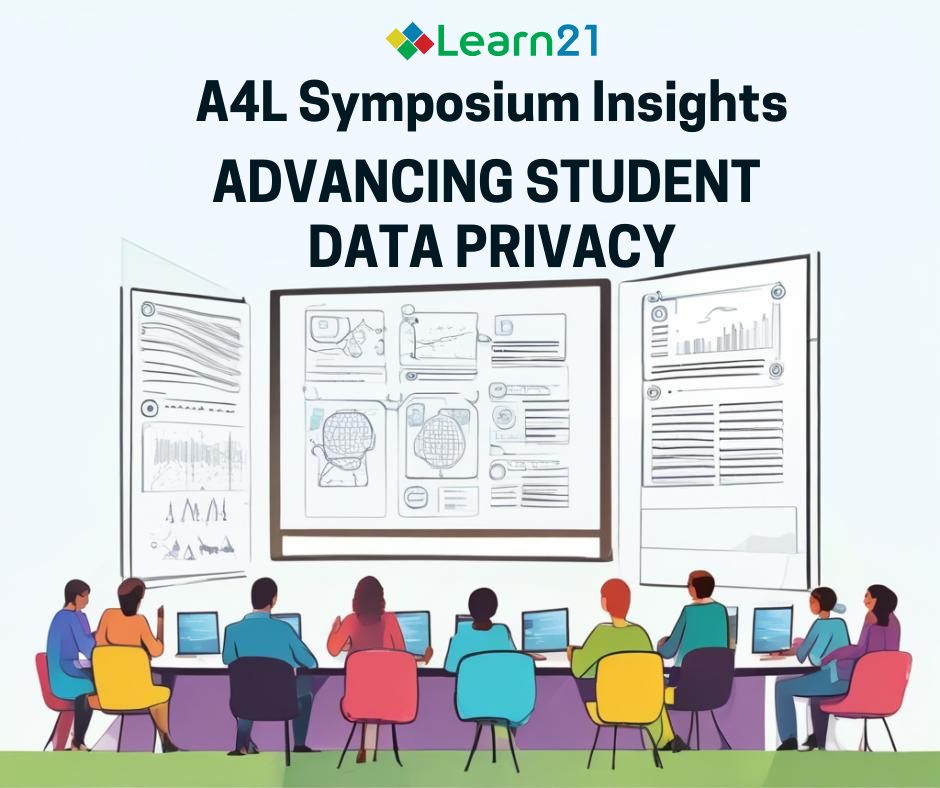
We were excited to attend the A4L Symposium this week to present on the newly redesigned SDPC Registry 2.0. This annual event, hosted by Access 4 Learning (A4L), brought together education leaders, technology experts, and data privacy advocates to discuss best practices and innovations in student data management. Kevin Ghantous, Bill Fritz, and Amy Tudor; along with Yahya Gilany, from the University of Cincinnati, led three interactive sessions to showcase the enhanced capabilities of the New SDPC Registry and help guide districts and alliances through the transition process.
SDPC Registry User Group: Exploring the New Features
Our first session, SDPC Registry 2.0 – Redesign and Interactive Sandbox, provided a comprehensive look at the redesigned platform. In the initial 60-minute presentation, we explored key enhancements, including:
- Redesigned User Interface: A more intuitive and user-friendly navigation experience.
- Data Management Features: Improved workflows for managing data privacy agreements (DPAs).
- Resource Management: Enhanced capabilities for managing and tracking resource profiles.
Following the presentation, participants engaged in a 30-minute hands-on sandbox session, which provided the opportunity to:
- Explore new features in real-time.
- Test workflows and processes.
- Ask questions and receive live feedback from registry developers.
- Collaborate with peers to simulate real-world use cases.
Birds of a Feather: Collaborative Discussions on Registry 2.0
In our SDPC Registry 2.0 – Birds of a Feather session, we fostered collaboration and open dialogue among districts, alliances, and developers. This interactive 1-hour session was designed to:
- Connect users from different districts to discuss the new platform.
- Facilitate discussions with SDPC developers to gather feedback and suggestions.
- Share insights and best practices for optimizing the registry.
- Build relationships and explore new collaborative opportunities.
Attendees had the unique opportunity to influence the future of SDPC Registry 2.0 by engaging directly with the development team and contributing to ongoing improvements.
Preparing for Migration: A Step-by-Step Guide
The final session, SDPC Registry 2.0 – Getting Ready to Migrate, was essential for districts and alliances preparing to transition from SDPC Registry 1.0. This 1-hour session covered:
- Reviewing current Data Privacy Agreements (DPAs).
- Understanding the migration process and best practices.
- Ensuring compliance with new security and data standards.
Registry developers also gathered feedback to address specific needs and challenges, ensuring a smooth and efficient migration process for all stakeholders.
Reflecting on Our A4L Symposium Experience
Learn21 is proud to be at the forefront of student data privacy, and we are eager to share our insights and gather feedback at the A4L Symposium. Whether attendees were existing SDPC users or new to the platform, our sessions provided valuable knowledge and hands-on experience with the latest advancements in SDPC Registry 2.0.
We appreciated the opportunity to connect with fellow educators, technologists, and data privacy advocates to continue shaping the future of student data privacy. Thank you to everyone who joined us at the A4L Symposium!
Media Literacy Minute
Raising Future-Ready Kids with Media Literacy
Psychology Today explores how media literacy skills are a key component in raising students who can think critically and adapt to a fast-changing digital world.
What Does Digital Citizenship Look Like in 2025?
A new report from EdTech Magazine outlines the evolving definition of digital citizenship and how schools are integrating it into their curriculum to prepare students for responsible online engagement.
Alabama Considers Bills to Restrict Social Media for Minors
The Alabama House is reviewing bills aimed at limiting social media access for minors, raising questions about digital freedom, online safety, and the role of parental oversight in digital literacy education [Alabama Reflector].
Don’t Be Spooked by Data Privacy: Creating a Culture of Protection in Schools
In today’s digital world, student data privacy isn’t just an IT concern—it’s a schoolwide responsibility. But let’s be honest: privacy regulations, vendor contracts, and cybersecurity policies can feel like a haunted house full of confusing twists and unexpected jumpscares.
That’s why we need to shift the narrative. Student data privacy doesn’t have to be scary. Instead of reacting to compliance mandates like they’re ghostly apparitions, schools should embrace a proactive, schoolwide culture of data protection. Let’s look at some data privacy lessons from my conference session, “Don’t Be Spooked by Data Privacy,” designed to make privacy practices approachable for all stakeholders.
Privacy is a Mindset, Not a Monster
One of the biggest misconceptions in education is that data privacy is solely the responsibility of IT departments. But every educator, administrator, and student interacts with data daily, whether it’s in an LMS, on a school-issued device, or through an educational app. That’s why fostering a shared mindset around privacy is critical.
A strong data privacy culture means:
- Teachers and classroom staff understand their role in keeping student data safe.
- School administrators make informed decisions about EdTech vendors and privacy policies.
- IT teams implement best practices and educate staff on evolving threats.
- Students and families are equipped with knowledge about their digital rights and responsibilities.
When everyone plays a role in privacy, compliance becomes second nature rather than a daunting checklist.
The Ghosts of Privacy Past: Outdated Policies and Scary Apps
Many schools still operate under outdated policies or unclear consent practices, creating serious risks. Laws like FERPA, COPPA, CIPA, and state laws establish strict guidelines for data protection, yet schools often struggle with vendor pushback and loopholes, such as using parental permission as a workaround for data privacy agreements.
Even worse, some apps refuse to sign Data Privacy Agreements (DPAs), citing concerns like overseas data storage, advertising models, or lack of compliance with student protections. These “Scary Apps” may:
- Collect excessive personal data beyond what’s necessary for learning.
- Target students with ads or track them across the web.
- Fail to provide transparency about how data is stored and shared.
To combat this, schools need robust app vetting processes—not just relying on vendors to “do the right thing.” Avoiding these pitfalls means protecting students before problems arise.
Vendor Tricks and AI Treats
EdTech vendors often claim they "can’t" or "won’t" sign DPAs—but why? Sometimes, it’s about protecting their revenue model, not student data. Transparency is key, and schools must push back against vague refusals or misleading policies.
On the other hand, not all AI-powered tools are nightmares waiting to happen. Thoughtfully vetted AI tools like Magic School, SchoolAI, Kialo, and Brisk can provide real educational value while respecting student privacy. Schools must balance innovation and caution, ensuring AI tools align with privacy best practices.
No Magic Potion: Schools Must Build Their Own Privacy Culture
Data privacy isn’t something that can be fixed with a one-time training session or an annual compliance reminder. It requires an ongoing commitment.
Steps schools can take:
- Regular staff training on privacy policies and secure practices.
- Clear communication with families about data collection and consent.
- App and vendor vetting to ensure compliance with state and federal laws.
- Student education on digital literacy and responsible data sharing.
Join the Conversation
As education leaders, we must demystify data privacy and empower our schools to handle student information responsibly. If your district needs support, I’m available to present this material at conferences, professional development sessions, and leadership meetings. Let’s work together to ensure that student privacy isn’t an afterthought—it’s a foundation for trust and safety in education.
Big Ideas
Brain Implant to Boost Mood? A New Frontier in Mental Health
A groundbreaking NHS trial is testing an ultrasound-powered brain implant designed to enhance mood and treat severe depression. Unlike traditional treatments, this implant targets specific neural circuits non-invasively, offering a potential breakthrough for those who haven’t responded to medication or therapy. Could this technology redefine mental health care? If successful, it might open the door to precision treatments for a range of neurological conditions. [The Guardian]
Automate Your Life: MacOS Folder Actions in Action
What if your computer could organize itself? A tech enthusiast shares how they automated their entire workflow using MacOS Folder Actions—scripts that trigger when files are added, changed, or removed. From auto-sorting downloads to renaming files and backing up important documents, this setup turns a Mac into a personal assistant. The best part? You don’t need to be a coding expert to try it yourself. How much of your daily digital chaos could automation solve?
How Technology is Reinventing Education
Education is undergoing a digital transformation, and it's not just about replacing textbooks with tablets. A Stanford report explores how AI, adaptive learning, and virtual collaboration tools are reshaping classrooms, making learning more personalized and accessible. But with rapid change comes big challenges—equity, data privacy, and the evolving role of teachers. As technology redefines learning, the question remains: Are we prepared to shape its impact, or will it shape us?