When Vendors Lead with Integrity
At EdTech Leaders Alliance (ETLA), we often work behind the scenes helping Ohio schools navigate the complex world of student data privacy. As the state's manager for the Student Data Privacy Consortium (SDPC), we know how hard it can be to get everyone on the same page, especially when it comes to aligning with the National Data Privacy Agreement (NDPA). But every now and then, a vendor steps up in a big way—and when that happens, it deserves to be celebrated.
This month, we’re shouting out ClassDojo.
Why ClassDojo?
ClassDojo has long been a favorite in classrooms across the country. It’s engaging, free for schools, and beloved by teachers and students alike (Mojo, their little monster mascot, is practically a classroom celebrity). But like many freemium EdTech platforms, ClassDojo wasn’t always known for their willingness to sign Data Privacy Agreements (DPAs). Because they weren’t selling directly to schools, the legal and compliance path was murky, and that reputation followed them.
A New Chapter Begins
That started to change earlier this year when Chad Stevens, a longtime champion of education and former CoSN board member, joined ClassDojo. Chad reached out directly to me in my role as Executive Director of ETLA. He didn’t just want to talk about compliance. He wanted to collaborate. That distinction matters.
Over the course of three months, our team worked closely with ClassDojo, The Education Cooperative (TEC), and our multi-state data privacy partners to help the company navigate and ultimately sign onto the National Data Privacy Agreement. On August 1st, ClassDojo officially signed the NDPA with TEC, marking a major milestone that now covers multiple states, including Ohio.
What This Means for Schools
This wasn’t just a checkbox. It was a culture shift, one that demonstrated how vendors can step up and lead when they prioritize transparency, collaboration, and student data rights. ClassDojo’s commitment to data stewardship sends a strong signal to both educators and other vendors: You don’t have to sacrifice functionality or popularity to do the right thing.
A Call to Action
We often talk about vendors as obstacles to privacy progress, but it’s important to recognize when they become partners. ClassDojo is now a case study in what can happen when leadership, legal teams, and education advocates come together with a shared goal: protecting student data while empowering learning.
To Chad Stevens and the ClassDojo team—thank you. You proved that change is possible. And you did it with humility, intention, and a deep respect for the schools and students you serve.
Media Literacy Minute
The Rise of Negative Headlines
A recent analysis shows that negative media headlines have skyrocketed over the past two decades. While attention-grabbing, these headlines can distort public perception, fueling cynicism and stress. Helping students recognize the emotional pull of headlines is a key step in teaching them to evaluate news more critically.
Unequal Inputs, Unequal Outcomes: The Hidden Biases in Generative AI
Generative AI systems are increasingly trained on massive amounts of public user data—from social media posts to images—often without consent. A recent analysis from OpenGlobalRights warns that these systems frequently amplify existing inequalities, misrepresent underrepresented communities, and marginalize non-dominant languages. For educators, this underscores the need to help students see biases not just in outputs, but in the data and training choices behind the tools.
A Crisis in Gen Z’s Political Education
According to a report featured in Youth Today, Gen Z is highly engaged online but lacks structured opportunities to develop political knowledge in schools. The result is a generation eager to act but often underprepared to navigate complex issues. Strengthening civic and media literacy education could help bridge the gap between enthusiasm and informed participation.
From Mojo to Oh No! Beware the “Scary Apps” Lurking in Schools
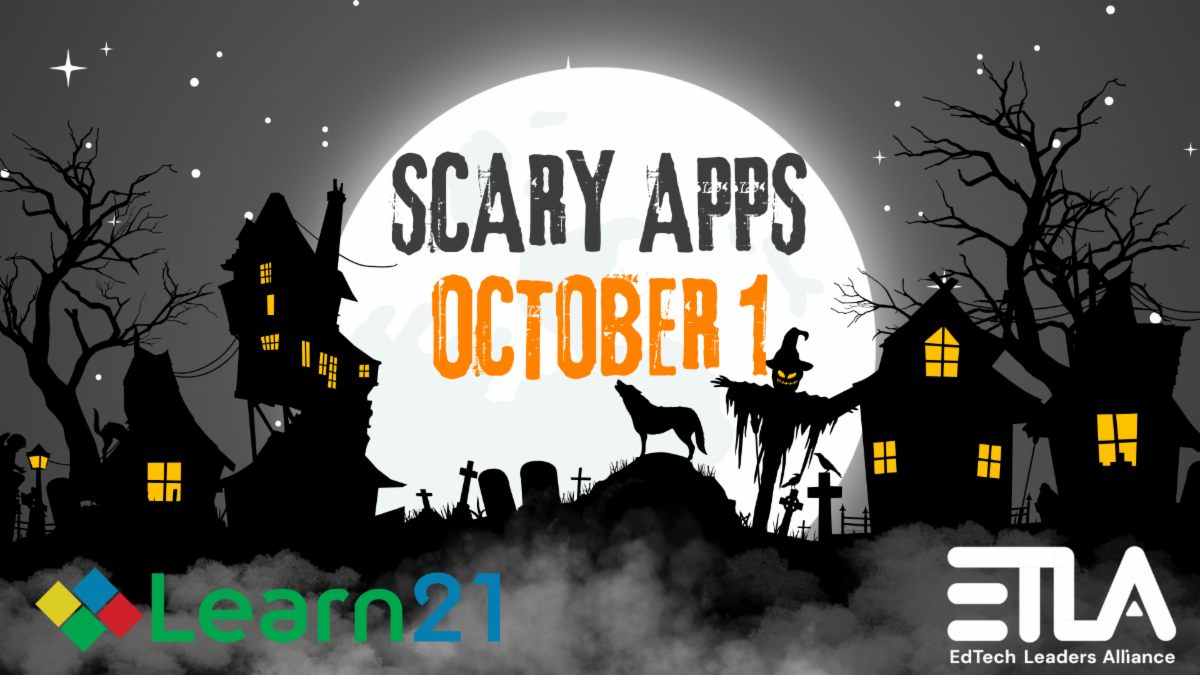
October is here, and that means one thing at EdTech Leaders Alliance: the return of our annual Scary Apps campaign! 👻
Every day this month, we’ll shine a spooky spotlight on apps that may look innocent on the surface but hide frightening risks behind the curtain—apps that refuse to sign a data privacy agreement and simply aren’t safe choices for K–12 students. Think of it as a haunted house tour through the app store: some doors are locked tight with strong protections, while others creak open to reveal data practices that can give any tech director nightmares.
This year, we’re especially excited because Mike Porter, our new colleague from the Denver, CO area, has stepped up to lead the Scary Apps effort. Mike brings fresh energy and creativity to the campaign, and you’ll see his fingerprints all over the daily reveals. Follow along on our social media channels or visit edtechleadersalliance.org/scaryapps to see the latest “scares” unveiled each day.
Why does this matter? Because student data privacy isn’t just a seasonal theme, it’s a year-round responsibility. Over the last several years, our work has made it easier than ever to identify which vendors are committed to protecting student information and which are not. When an app refuses to sign a privacy agreement, that’s a red flag waving like a warning light in a dark forest. Our job is to make sure educators and families see those warning signs before it’s too late.
So, as you enjoy your pumpkin spice lattes and plan your costumes, keep an eye out for the Scary Apps countdown. Some of them might already be in your classrooms… and we’re here to help you decide if they belong there.
Happy haunting. Here’s to safer, smarter technology choices for all our schools.
Big Ideas
AI to the Rescue of New Zealand’s Birds
Invasive predators have devastated New Zealand’s native bird populations, but AI may help turn the tide. New conservation tools are using machine learning to detect and track threats in real time, making predator control faster and more precise. Could AI be the unlikely hero that helps save endangered species? [NPR]
How People Really Use ChatGPT
CNBC reports on OpenAI’s just released first large-scale study on ChatGPT usage, and the results may surprise you. While headlines focus on dramatic AI scenarios, most people use it for everyday tasks—drafting emails, learning new skills, or troubleshooting problems. The study paints a picture of AI as more of a helpful sidekick than a sci-fi disruptor.
Meta’s Ray-Ban Glasses Get a Glow-Up
Meta’s latest Ray-Ban smart glasses now feature a built-in display, giving wearers real-time access to notifications and visual prompts. Think of it as a sleeker, less clunky take on Google Glass (which I did own), with a fashion-first design. Will consumers finally embrace face-worn screens, or will this be another stylish experiment? [Mashable]